CZ
CZ  PL
PL  SK
SK 
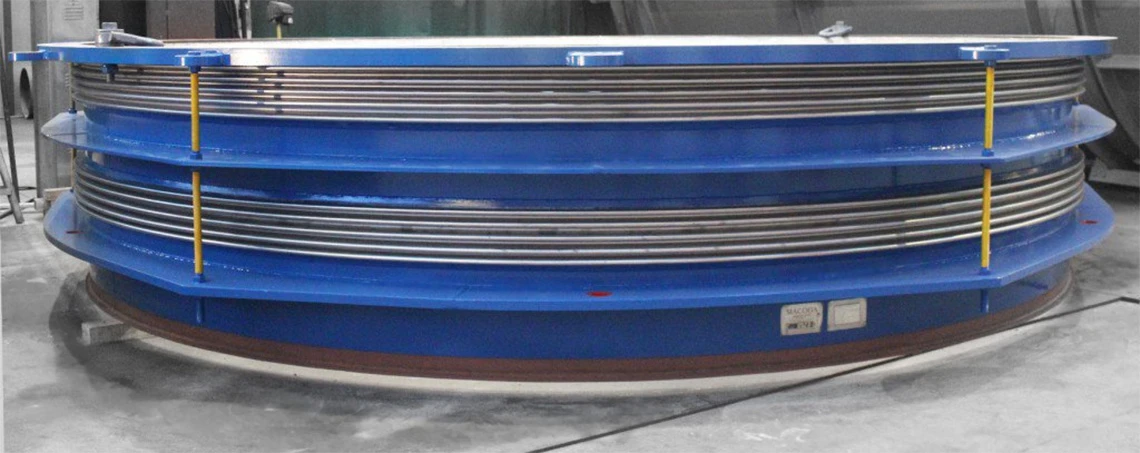
Axial expansion joints are those specifically designed and manufactured to absorb axial movement, that is, compression and extension along their longitudinal axis.
There are different constructive configurations of axial expansion joints and in certain circumstances they can also absorb other movements, but they are mainly used to absorb axial movements.
The most commonly used expansion joints to absorb axial movements are the following:
These expansion joints are made of one single bellows element with end connections.
Regardless of accessories, such as liners and covers, this model absorbs all of the movements in any one length of piping but it is mainly used to absorb axial movements.
It does not restrain pressure thrust so adequate anchors and guides must be provided and they can be used only in piping systems that incorporate correctly designed anchors and pipe alignment guides.
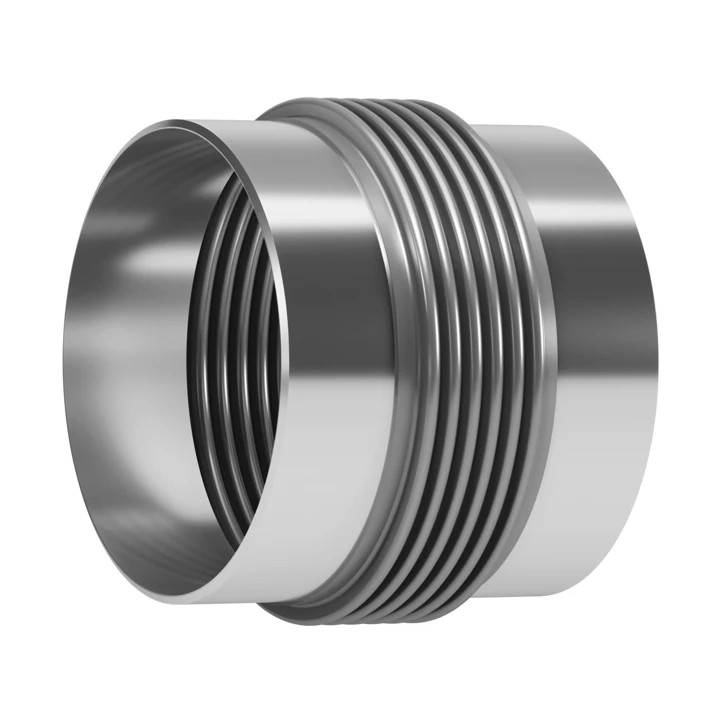
This type of Expansion Joint is made up of one single bellows provided with welding ends.
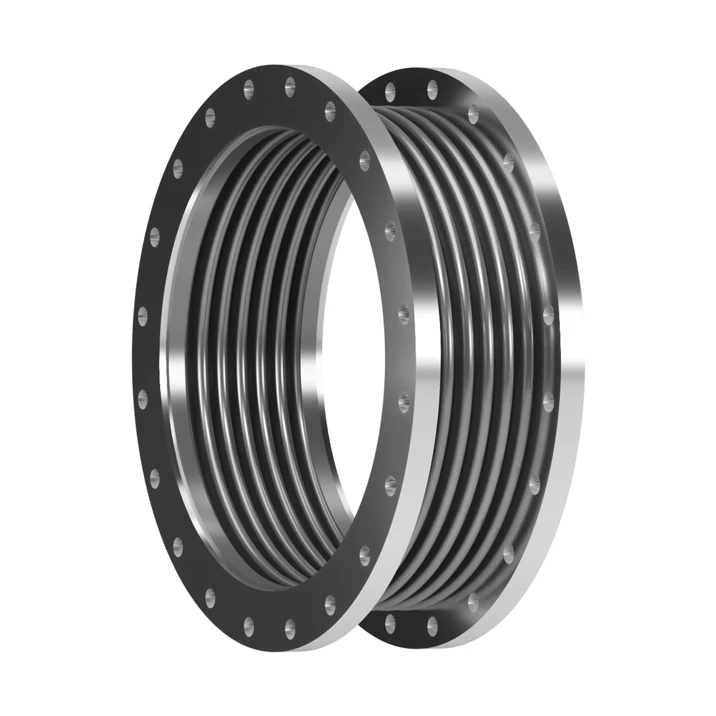
This type of Expansion Joint is made up of one single bellows equipped with fixed flanges.
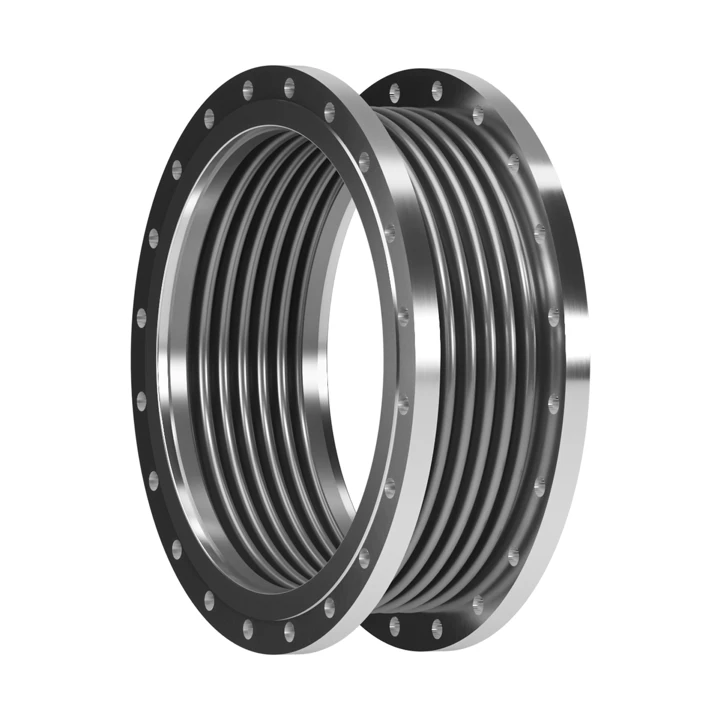
This type of Expansion Joint is made up of one single bellows equipped with floating flanges.
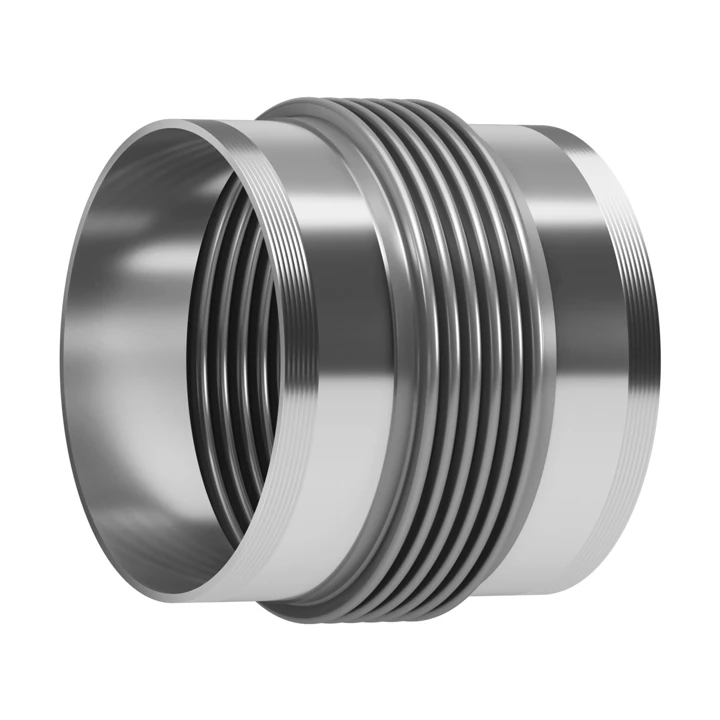
This type of Expansion Joint is made up of one single bellows fitted with external BSP or NPT threads.
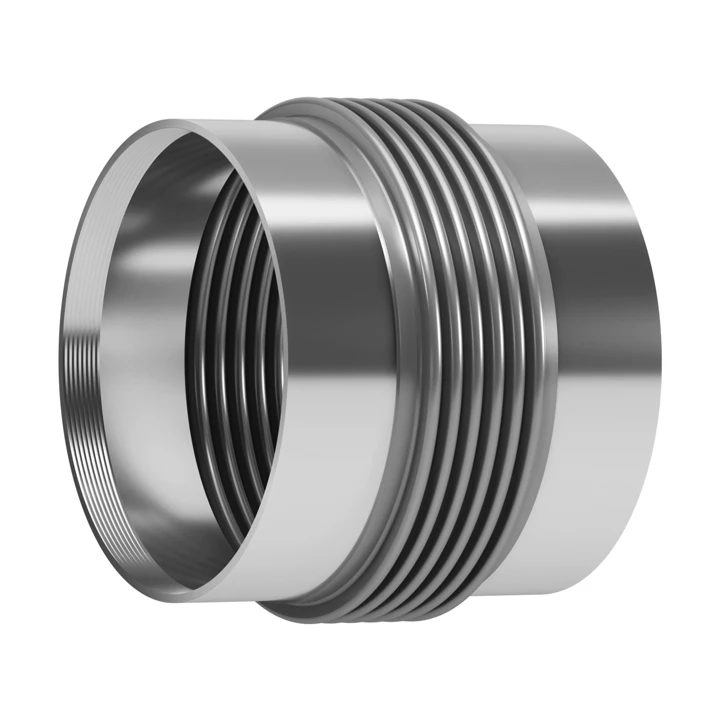
This type of Expansion Joint is made up of one single bellows fitted with internal BSP or NPT threads.
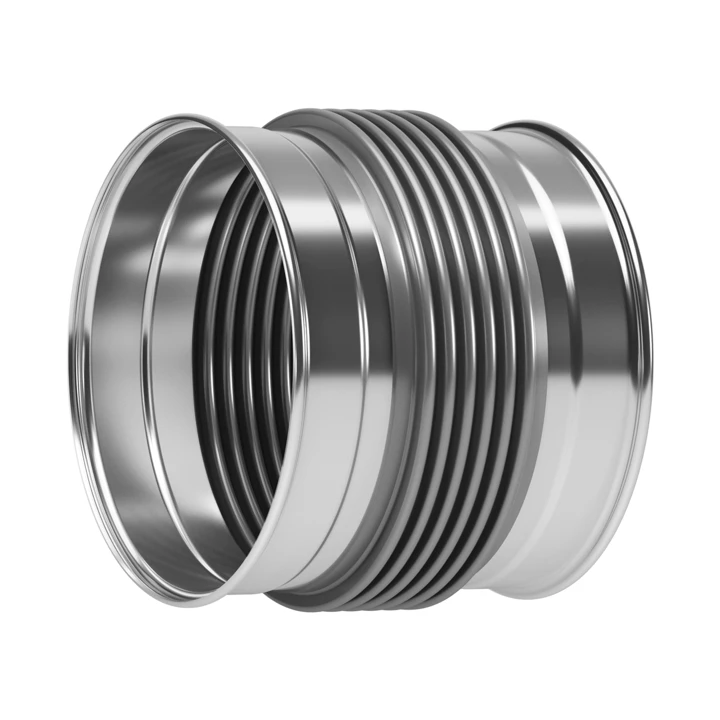
Quick Press MQP Type Metal Expansion Joints for HVAC (Heating, Ventilating & Air Conditioning) systems.
These expansion joints are made of one single bellows element with end connections plus a tie rod system.
Regardless of accessories, such as liners and covers, this model absorbs all types of movements in any length of piping but it is mainly used to absorb axial movements and small amounts of lateral movement.
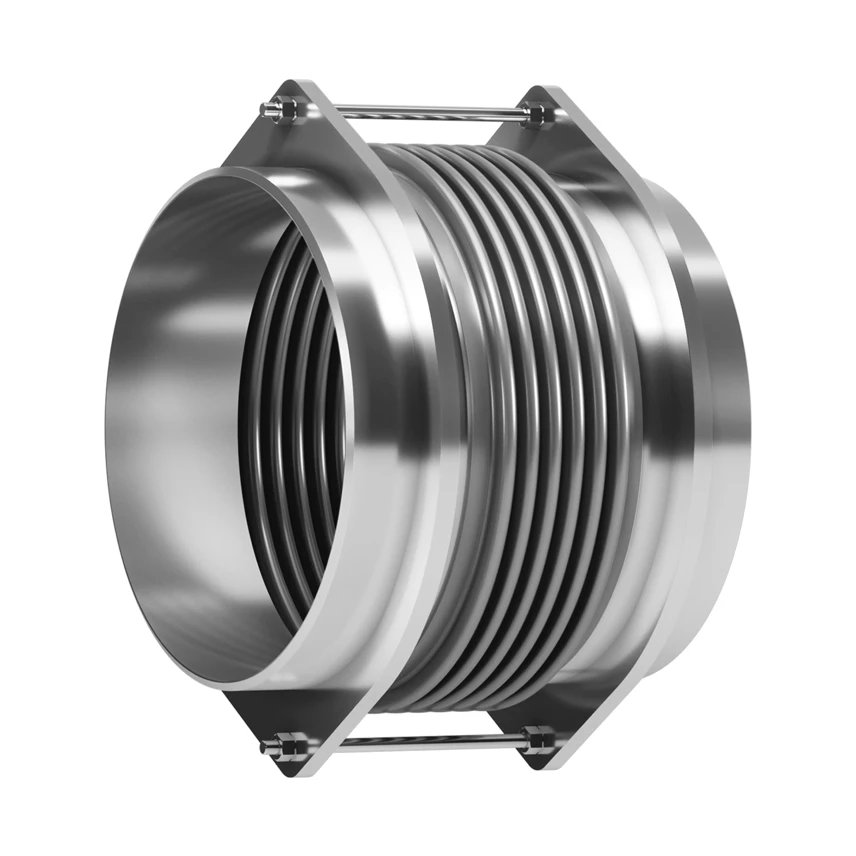
This type of Expansion Joint is made up of one single bellows provided with welding ends.
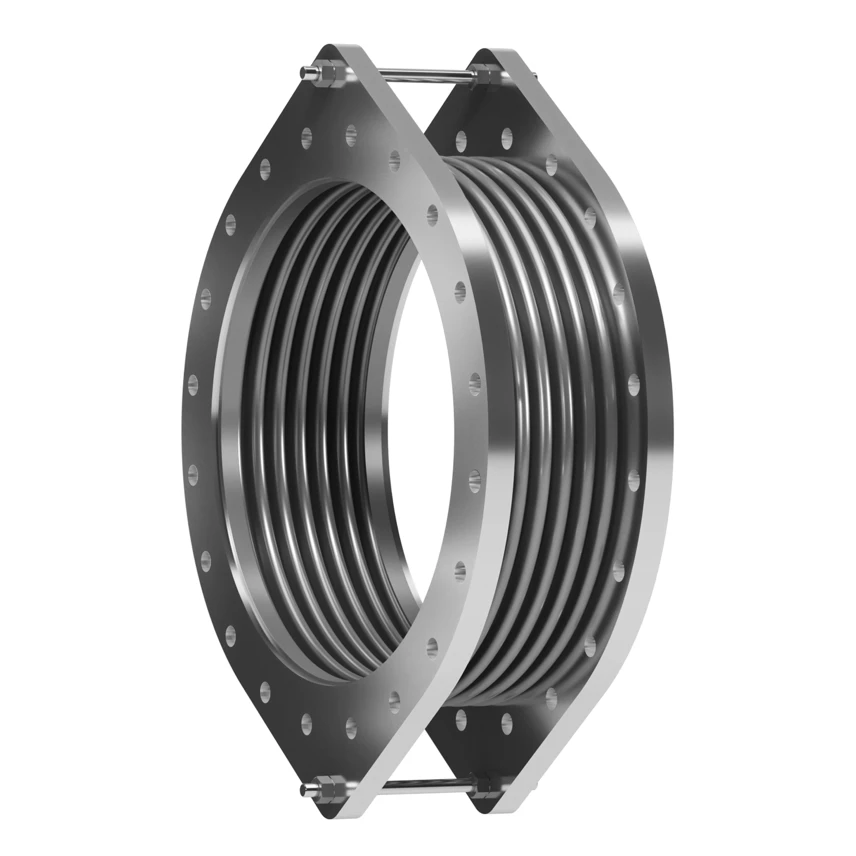
This type of Expansion Joint is made up of one single bellows equipped with fixed flanges.
A pressure balanced expansion joint accommodates axial and lateral movements and counteracts the bellows pressure thrust. An additional bellows is incorporated into the unit and is subject to the line pressure to generate a force equal and opposite to that on the main bellows. Tying these bellows together neutralises the pressure load on the unit.
The Pressure Balanced Expansion Joints are used in situations similar to those described for the Axial and/or Lateral Expansions although this particular type of Expansion Joint offers the additional advantage of not transferring the thrust caused by the internal pressure to the pipes or adjacent equipment. This characteristic is especially important when it comes to joining the pipes to turbines or other delicate equipment which, by their nature, are unable to withstand these extra loads.
The only loads on the equipment are the sum of the forces required to move the line bellows and balancing bellows of the expansion joint.
This type of Joint can be fitted between intermediate fixed points so main anchoring of the pipe or adjacent equipment is not required.
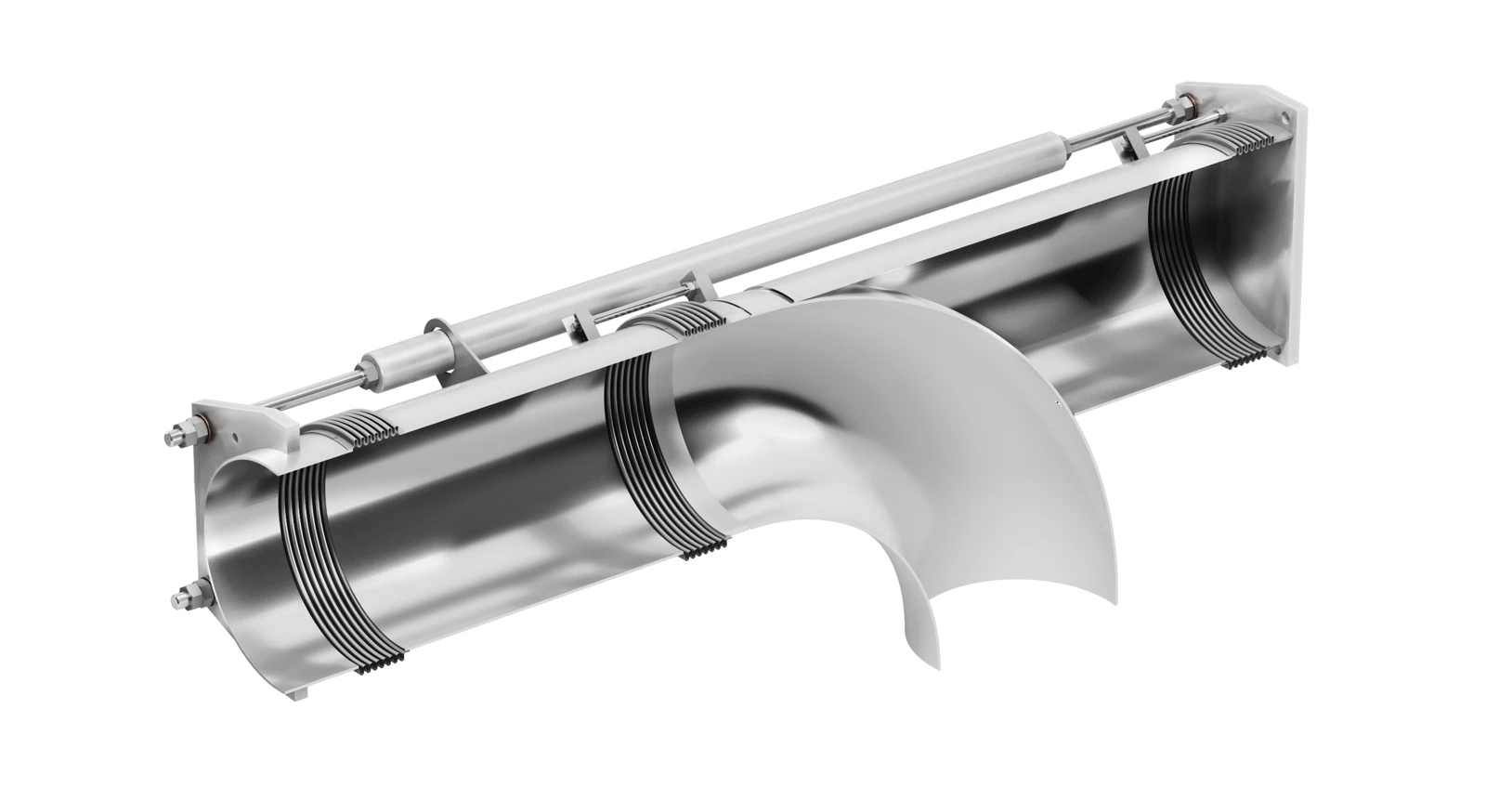
Designed to absorb lateral and/or axial movements eliminating the thrust caused by the internal pressure.
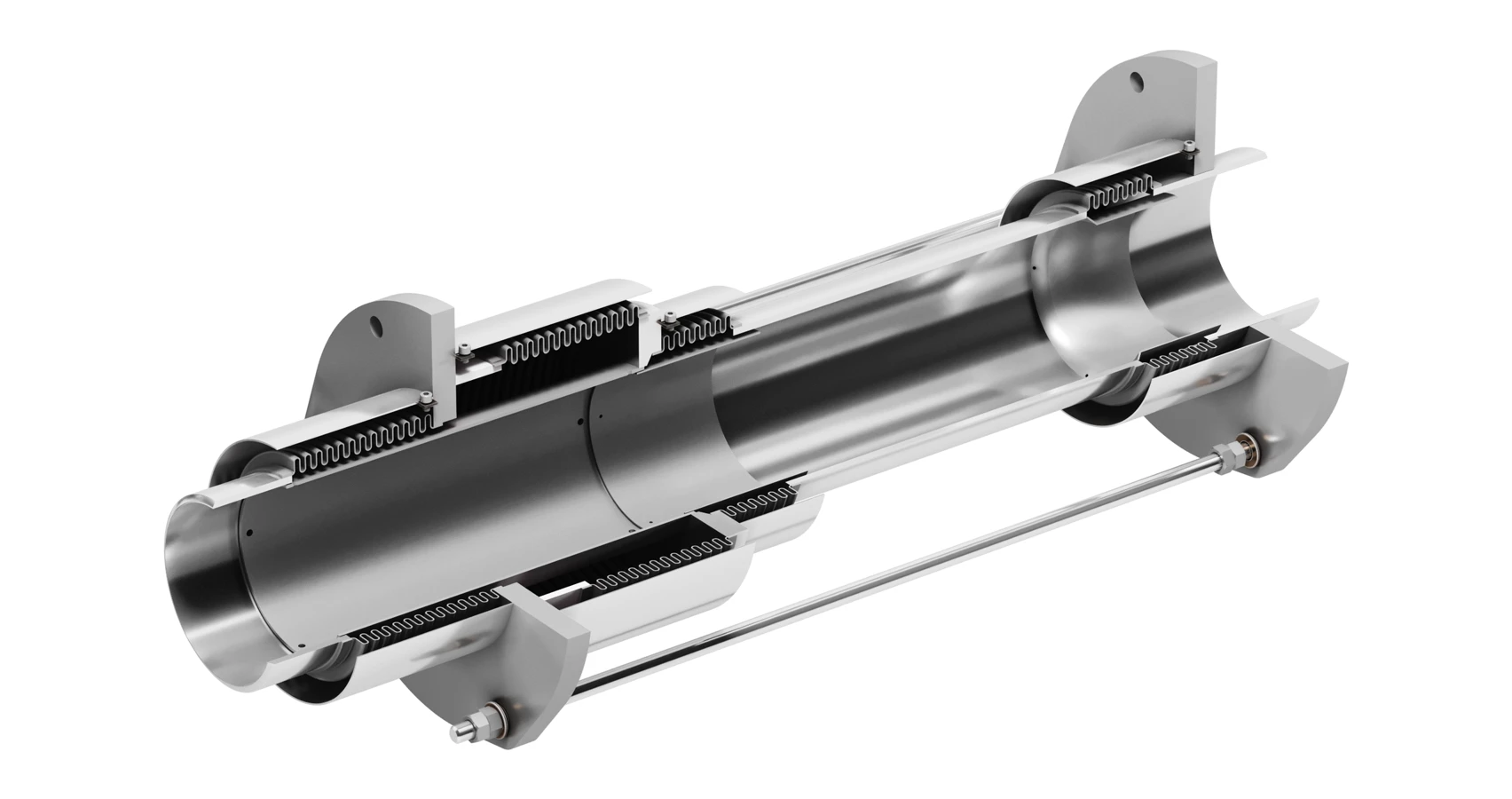
Absorbs Axial and/or Lateral Movements while restraining the pressure thrust. This type of Expansion Joint is used in a straight run of pipe.
A special case of the Thick Wall type, Flanged and Flued expansion joints are made in two halves from flat annular plates. The outside edges of the plates are formed in one direction (flanged), and the inside edges are formed in the other direction (flued). The two halves are welded together and then welded into the heat exchanger shell. Because of the higher wall thickness, this type of expansion joint is rugged and the most durable from the standpoint of abuse, but it has the disadvantage of limited flexibility.
MACOGA MFF Expansion Joints are designed as per ASME VIII-1 mandatory Appendix 5 guidelines for the design of flanged and flued expansion joints and ASME Appendix 26 and EJMA that provide methods of calculating the stresses, fatigue life and spring rate.
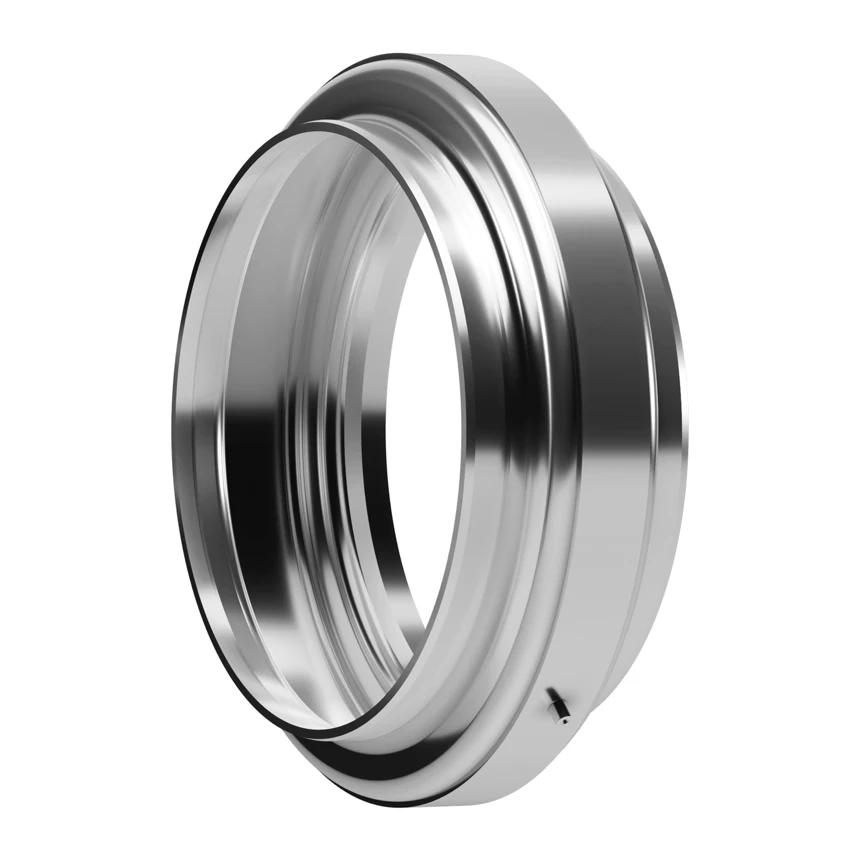
This type of expansion joint is rugged and the most durable from the standpoint of abuse, but it has the disadvantage of limited flexibility.
MEP Series Externally Pressurized Expansion Joints are designed such that fluid pressure acts on the outside of the bellows.
This model is mainly used in cases of high pressure and large amounts of axial compression and extension. When under external pressure, the bellows will retain its shape and can be manufactured in almost any length.
When using internally pressurized expansion joints and for large movements the system should be divided into subsections, as internally pressurized axial expansion joints tend to become instable with a great length. When the system allows their use, expansion joints with externally pressurized bellows can be used, which permit larger movements, since external pressure tends to stabilize the bellows.
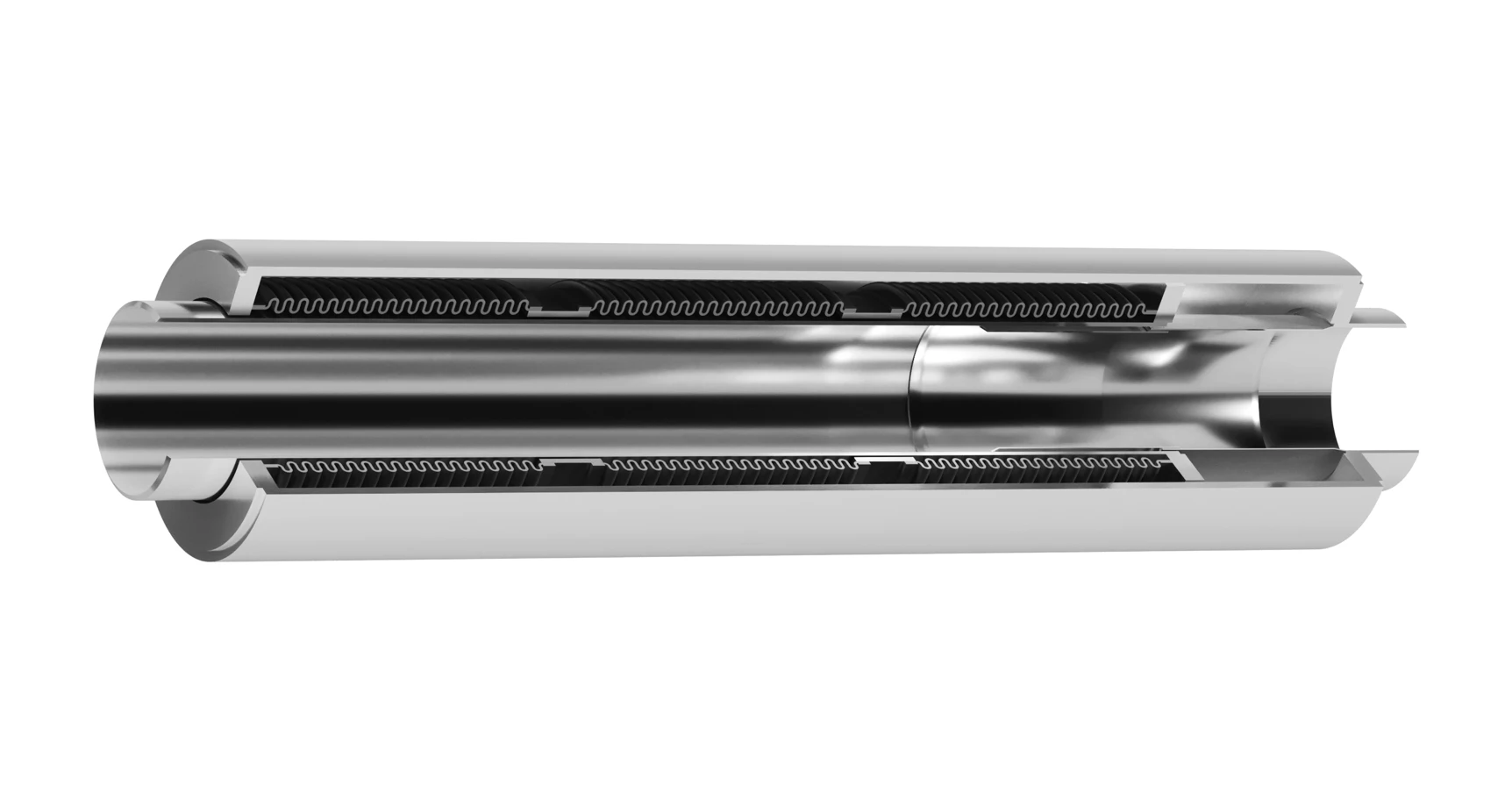
Axial non-pressure balanced externally pressurized.
Jacketed Expansion Joints are used in a set of particular circumstances such as when regular insulation is not sufficient and when the main fluid has to be kept at a fixed temperature or simply for security reasons.
This model involves using two bellows, one on the inside and one on the outside.
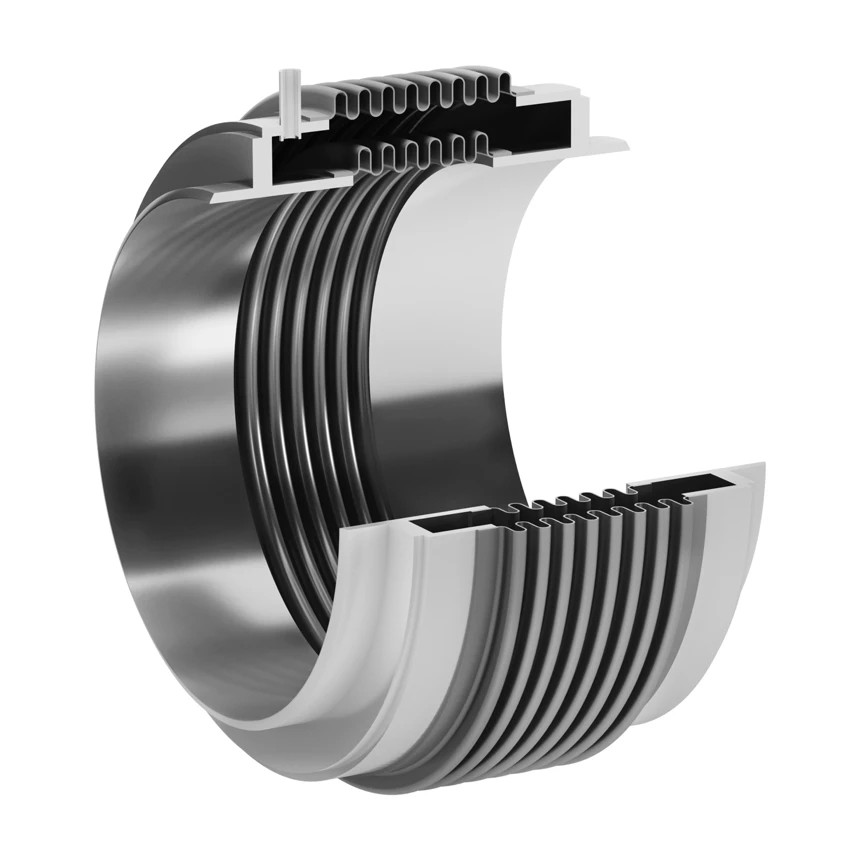
This model involves using two bellows, one on the inside and one on the outside.
This model is used in cases of high internal pressures and/or equalizing the movement among all the corrugations.
The system involves the use of reinforcement or equalizing rings located around the outside of the convolution thus preventing the bellows being forced out of shape due to the high pressures.
Equalizing and Reinforcing Rings are devices used on some expansion joints fitting snugly in the roots of the convolutions. The primary purpose of these devices is to reinforce the bellows against internal pressure and equalize the movement among all the corrugations.
Equalizing and reinforcing rings are made of carbon steel, stainless steel or other suitable alloys.
Reinforcing rings are usually "T" shaped in cross section and equalizing rings are generally fabricated from tubing or solid round bars of carbon steel, stainless steel, or other suitable alloys.
Bellows including reinforcing or equalizing rings can be incorporated to any type of Expansion Joint (Axial, Lateral, Angular, etc.)
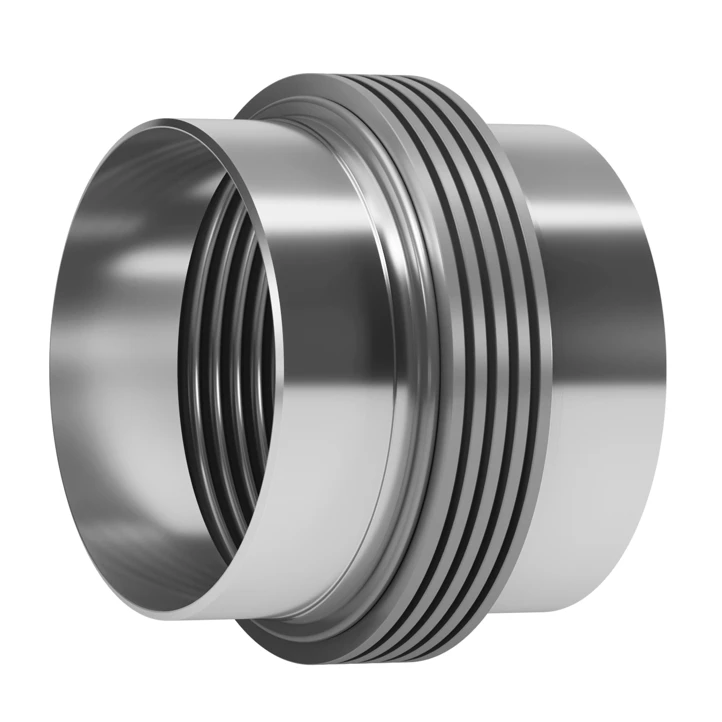
Expansion joint with reinforcement rings.
These expansion joints are characterized by a high convolution profile and thick ply construction.
They can be manufactured in circular, oval or any particular shape.
Thick Wall expansion joints are frequently used in heat exchangers, furnace and blast furnace pipe work.
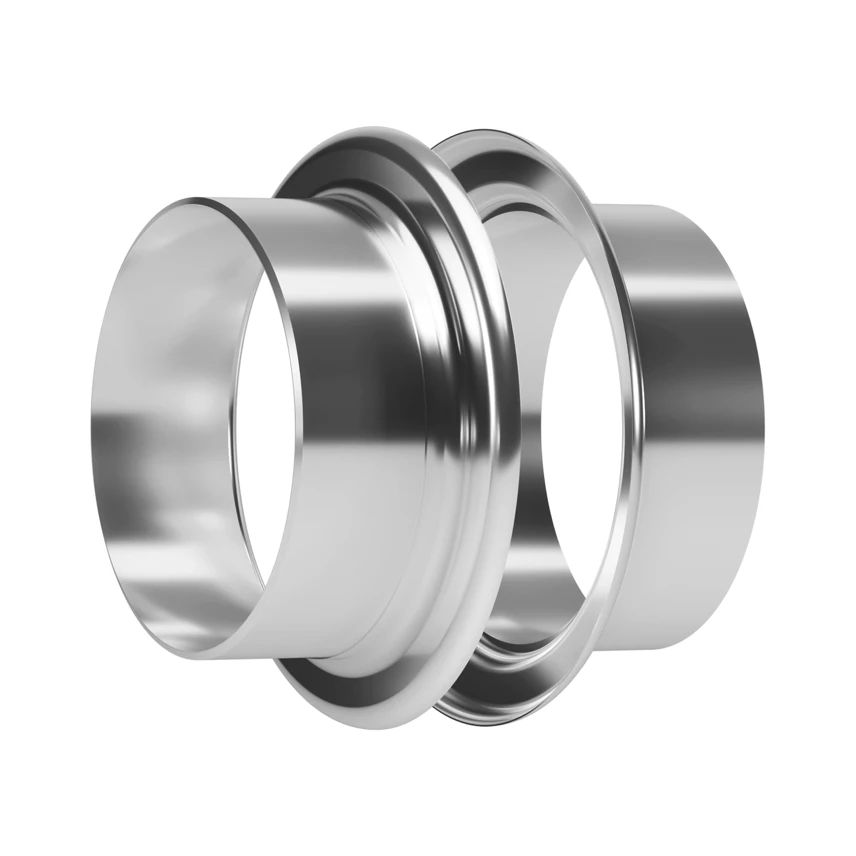
High convolution profile and thick ply construction. Welded in the upper part of the corrugation.
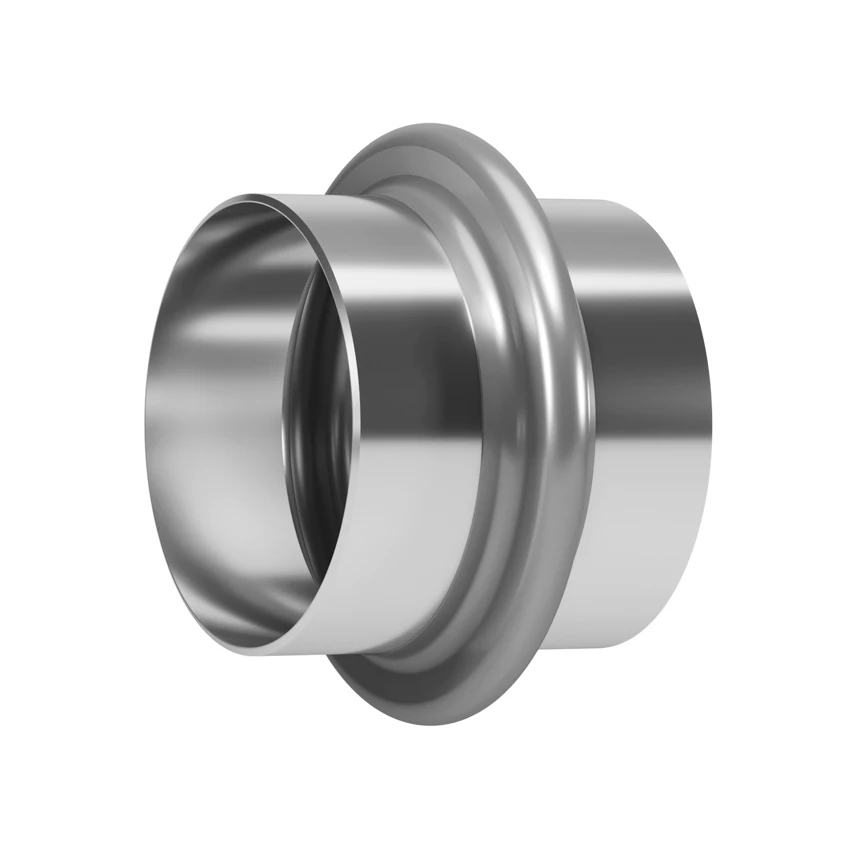
High convolution profile and thick ply construction.
Regardless of accessories, such as liners and covers, these models absorb all of the movements in any one length of piping but it is mainly used to absorb axial movements.
They do not restrain pressure thrust so adequate anchors and guides must be provided and they can be used only in piping systems that incorporate correctly designed anchors and pipe alignment guides.
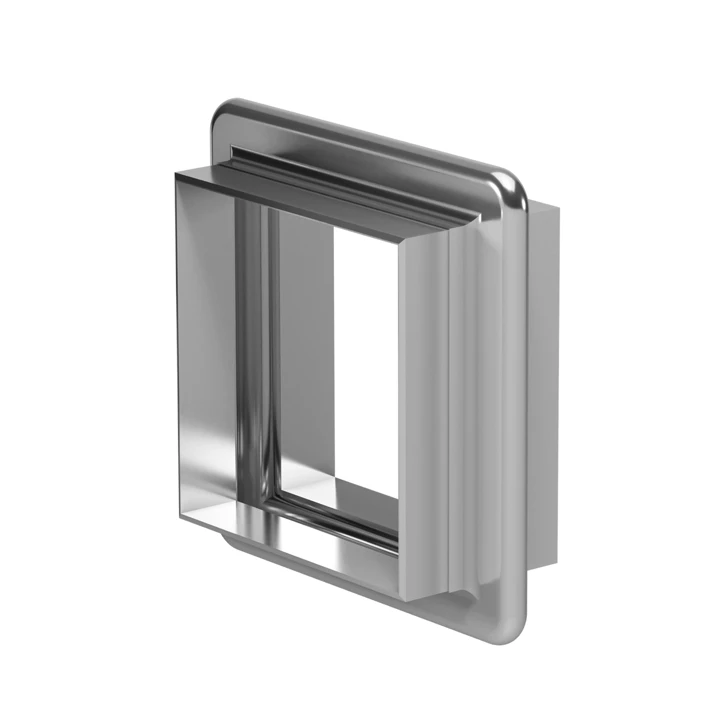
Rectangular expansion joint with U-shaped convolutions and round corner.
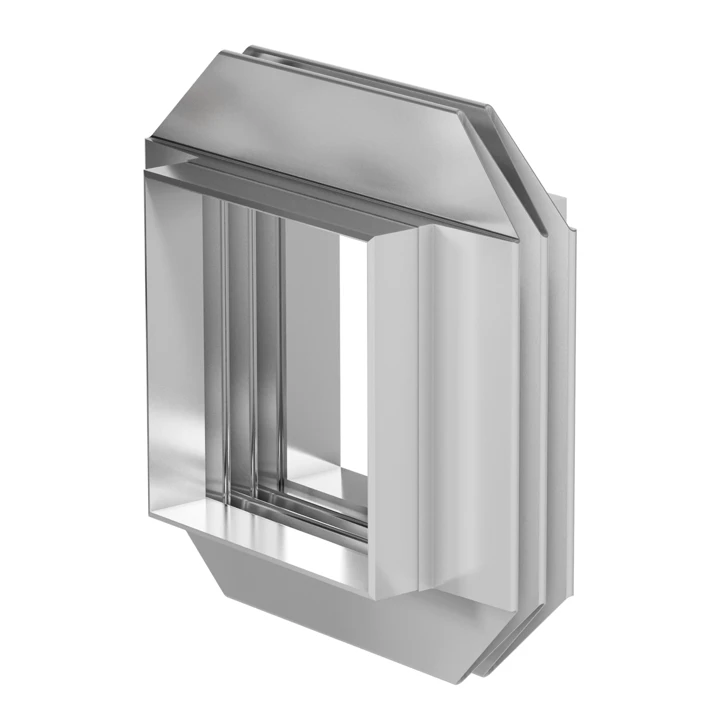
Rectangular expansion joint with V-shaped convolutions and camera corner.
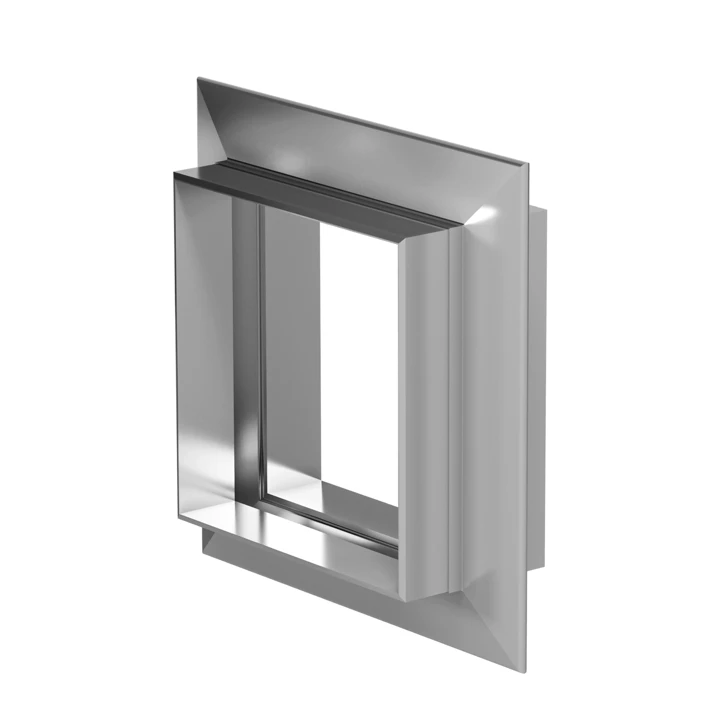
Rectangular expansion joint with V-shaped convolutions and miter corner.
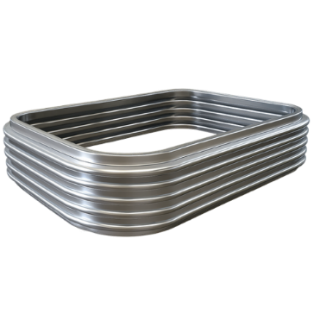
Rectangular multiply and singleply bellows witha single longitudinal weld and no welds at the corners.
Inquiry Form